

Student Loans and Federal Taxes in 2025: What Arizona Borrowers Need to Know
Written by Craig B

Student Loans and Federal Taxes in 2025: What Arizona Borrowers Need to Know

If you’re paying back student loans or waiting for help, it’s a good idea to know how those loans will affect your federal taxes in 2025. Tax laws about student loans have changed a lot in the last several years. As an Arizona taxpayer, it’s crucial to stay up to date so you don’t miss out on important deductions or be hit with surprise tax liabilities.

Let’s go over what’s new this year, what’s still the same, and how to answer tax inquiries about student loans with confidence.

1. Student Loan Interest Deduction

The student loan interest deduction is still available for 2025. Borrowers can deduct up to $2,500 in interest paid during the year. Even if you don’t itemize your deductions, this one can cut your taxable income.

To Be Eligible:

You can only use your loan for certain types of college costs.

You have to pay the loan back by law.

Your modified adjusted gross income (MAGI) must be less than the phase-out limits, which change every year to keep up with inflation.

The deduction slowly goes away if you make more than specified amounts. Most Arizona taxpayers with middle-class incomes still qualify. Your loan servicer will send you Form 1098-E, which shows how much interest you paid. Be sure to include it when you file.

2. Forgiveness and Cancelation

This is the largest transformation that has happened in a long time. Most federal student debt forgiveness, whether it’s through income-driven repayment (IDR) plans, Public Service debt Forgiveness (PSLF), or even some disability discharges, won’t be taxed at the federal level until 2025.

This implies that if you have an approved program that forgives your outstanding balance, the IRS won’t count it as taxable income. But if Congress doesn’t continue this rule, forgiven balances after 2025 may be taxable again.

Arizona is lucky since it follows the same rules as the federal government on this subject, thus state taxes usually won’t apply either. Always check before you file, because the rules in each state may change from year to year.

3. Refunds and Loans That Have Gone Bad

If you don’t pay back your student loans, the federal government can take some of your tax refunds to get the money back. This process, known as a Treasury Offset, applies to refunds like your income tax or even your Social Security payouts.

Offsets were put on hold during the COVID-era payment freeze. But as of 2025, routine collecting operations have started up again. If you think you might be at risk, get in touch with your loan servicer or go to studentaid.gov to learn more about rehabilitation or consolidation before tax season.

Tax Debt Advisors in Mesa, Arizona, often helps clients deal with or avoid offsets by talking to the IRS and setting up payment plans.

4. Tax and IDR Plans

Your monthly cost on an IDR plan is based on your income and the number of people in your family. You have to recertify your income every year, and you usually do this with information from your tax return.

Your payment amount may depend on your filing status:

When you file jointly as a married couple, both of your incomes are counted.

If you’re married and filing separately, only your income counts for most IDR plans.

Picking the appropriate file status can lower your monthly payment, but it could also raise your tax burden. This is where a professional can help. An Arizona tax advisor can model both results to discover the optimum balance.

5. Tax Experts Can Help

It’s not always clear how student loans and taxes are related. A professional who knows what they’re doing can:

Check to see if you may deduct the interest on your loan.

Find out if forgiveness will be taxable in your case.

If you’re behind on payments, keep your refund safe.

Advise on the best filing status for IDR recertification.

Tax Debt Advisors can help you figure out all the nuances so that your 2025 tax return shows all the benefits and avoids any unexpected debts if you live in Arizona.

In short, student loans can affect your taxes in several ways, such as how much you can deduct and how you plan to pay them back. If you know how the 2025 rules work, you’ll keep more money and follow both federal and Arizona tax regulations.

Keywords: student loans 2025, student loan interest deduction, student loan forgiveness taxes, student loan offset, IRS student loans, tax refund offset, Arizona tax help, Tax Debt Advisors, federal taxes and student loans, IDR plan taxes, Public Service Loan Forgiveness taxes, Arizona tax advisor, tax help Mesa AZ

Tax Settlement in Mesa, Arizona

If you need IRS Debt Help, Tax Debt Settlements or Tax Debt Advising in Phoenix, Mesa or anywhere else, Tax Debt Advisors can help! Give us a call at 480-926-9300 or fill out our contact form for a free consultation.


Common Tax Problems in Mesa AZ
Written by webtechs

Common Tax Problems in Mesa AZ

Mesa, Arizona – like many cities – has its share of tax headaches. Whether you’re an individual taxpayer, a small business owner, or someone who’s fallen behind, there are certain common issues that keep coming up. At Tax Debt Advisors, we’ve seen many Mesa folks struggle with these same problems. If you’re dealing with tax stress, knowing the most frequent pitfalls is the first step toward relief.

1. Unfiled or Overdue Tax Returns

Mesa, Arizona, like many other towns, has problems with taxes. Some problems keep coming up whether you’re a simple taxpayer, the owner of a small business, or someone who’s fallen behind. At Tax Debt Advisors, we’ve seen a lot of people in Mesa have the same issues. If you’re stressed about taxes, the first thing that will help is to know the most common mistakes people make.

2. Growing Tax Debt and Penalties

Unpaid amounts are a worry even after you’ve filed. The IRS doesn’t just sit on things; fines and interest keep adding up. People who live in Mesa often feel stressed when small debts grow into much bigger ones.

If you don’t pay the debt, the IRS (and sometimes state officials) may start taking steps to collect it. That could mean liens, levies, pay garnishment, or taking money out of your bank account.

3. IRS and State Collection Actions

In Arizona, the state taxing authority (Arizona Department of Revenue, “ADOR”) can also take steps to enforce delinquent taxes. Mesa taxpayers sometimes face driver’s license suspension or other penalties from the state if state tax obligations aren’t addressed.

And federally, the IRS can:

  • Issue a Notice of Intent to Levy
  • Garnish wages or seize bank accounts
  • File liens that affect your credit and real property

4. Difficulty Establishing Affordable Payment Arrangements

People in Mesa often can’t pay their big tax bill all at once because they don’t have the money. There are tools that can help, such as IRS installment agreements, the IRS Fresh Start Program, Offers in Compromise, and the position “Currently Not Collectible.”

But it’s not always easy:

  • You need to supply a lot of financial information.
  • You must be compliant with all your returns (no unfiled years).
  • Even when you qualify, negotiations can take time. Penalties/interest may keep accruing during that process.

5. Missed Opportunities for Relief

Because many people don’t know about relief programs, they miss out on options that could reduce what they owe. Mesa’s taxpayers often aren’t aware of or don’t pursue:

  • Penalty abatement (asking the IRS to reduce or remove penalties if you have a valid excuse)
  • Offers in Compromise (settling for less than you owe under specific conditions)
  • The IRS Fresh Start Program, which expanded options for payment plans and lien relief.

6. IRS Notices and Audit Triggers

Sometimes, people can’t calm down after getting a letter or warning from the IRS. Notice CP2000, audit notices, and requests for payment can all be hard to understand. Taxpayers in Mesa sometimes don’t answer these, which makes things worse.

It’s important to deal with warnings quickly, understand what’s being asked of you, and get help from a professional if you need it. Tax Debt Advisors often help clients figure out how to properly answer CP2000 letters and others like them.

7. State vs Federal Tax Debt Conflicts

Lastly, it’s not always enough to just deal with federal taxes or problems with the IRS. Arizona’s Department of Revenue may also have claims, and your state tax obligations may change based on what you file with the federal government. If you’re behind on both or if there are mistakes on your federal return, it can make your state case harder.

What You Can Do

If you see yourself in any of these problems, here are some steps Mesa residents can take:

  • File all unfiled returns as soon as possible.
  • Gather your financial documents (income statements, expenses, assets) and evaluate what you can realistically pay.
  • Get help from a qualified professional: for example, the people at Tax Debt Advisors, Inc., who have extensive experience helping Mesa residents resolve IRS and state tax issues.
  • Explore options like installment agreements, Offers in Compromise, lien releases, penalty abatements, and programs like Fresh Start.
  • Stay compliant going forward—file returns on time, pay what you can, respond to notices promptly.

If you’re feeling overwhelmed, you’re not alone—and there are solutions. Facing up to tax issues now tends to lead to far less stress down the road. Tackling the problem early, knowing your options, and getting support can make a big difference.

Sources:


Can You Add To Balance Regularly of a Certificate of Deposit
Written by Craig B

What Are The Benefits Of A CD?

A Certificate of Deposit (CD) is a low-risk savings product offered by banks and credit unions. You deposit money for a fixed period (the “term”) and earn interest — typically higher than a regular savings account.

Here are the main benefits of a CD:

💰 1. Higher Interest Rates

  • CDs generally offer better returns than regular savings accounts or money market accounts.

  • Longer terms usually mean higher rates (e.g., 1-year vs. 5-year CD).

🔒 2. Safe and Low-Risk

  • CDs are FDIC-insured (up to $250,000 per depositor per bank), so your money is very safe — even if the bank fails.

🧘‍♂️ 3. Guaranteed Returns

  • The rate is locked in for the term, so your earnings are predictable and not affected by market swings.

⏳ 4. Discourages Impulse Spending

  • Since withdrawing early results in penalties, CDs can help you commit to saving and avoid dipping into your money.

🧩 5. CD Laddering Option

  • You can build a CD ladder (staggered maturity dates) for steady access to funds and still benefit from long-term rates.

📈 6. Good for Short-Term Goals

  • Useful if you’re saving for something in 6 months to 5 years — like a home down payment, car, or tuition — and want a risk-free return.

⚠️ Note: CDs do have downsides, like:

  • Early withdrawal penalties

  • No access to funds during the term

  • Lower returns than stocks or mutual funds over long periods

What Are 2025 CD Rates?

Here are the current Certificate of Deposit (CD) rates as of late July 2025, along with an outlook for the rest of the year:

📈 Current Highlights (July 31, 2025)

🏦 Where to Find Best Rates

  • Online banks and credit unions offer the highest yields—typically 4%–4.6% APY for CD terms of 6 months to 2 years cbsnews.com+5Bankrate+5Investopedia+5.

  • Smaller credit unions often pay more than larger national banks due to lower overhead and more aggressive rates NCUAexperian.com.

🔭 Rate Outlook for the Rest of 2025

  • The Federal Reserve has maintained the benchmark rate at 4.25%–4.50% through mid‑2025, keeping CD yields elevated Investopedia+3Forbes+3Investopedia+3.

  • Analysts expect at least one more rate cut by year-end, which means CD yields may start to decline soon—a window to lock in high rates now Investopedia+1Investopedia+1.

  • Bankrate’s forecast: national average 1‑year CD APY may fall to around 1.25%, and top competitive 1‑year CD rates may reach up to 3.70% by year-end, while top 5‑year rates may drift nearer 3.95% Bankrate.

💡 Quick Summary Table

Term Top APY (~) National Average APY
3–9 months 4.50% ~1.5–1.6%
~12 months 4.50%–4.60% ~1.6%
18–19 months ~4.60% n/a
3–5 years ~4.60% ~1.3–1.4%

✅ Takeaway

  • Best rates today: 4.5%–4.6% APY on CDs from online banks and credit unions (6–19 month terms).

  • National average CD rates remain low at ~1.6% for 1‑year CDs and ~2.5% across all terms.

  • Act now if you want to lock in top yields—rate cuts later in 2025 are likely to depress CD rates.

What Is a CD Ladder?

A CD ladder is a savings strategy that involves spreading your money across multiple certificates of deposit (CDs) with different maturity dates. It helps you:

  • Earn higher interest than a regular savings account

  • Maintain access to portions of your money at regular intervals

  • Reduce interest rate risk if rates drop

🪜 How a CD Ladder Works

Let’s say you have $10,000 to invest. Instead of putting it all in a 5-year CD, you divide it like this:

CD Term Amount Invested Maturity
1-year CD $2,000 1 year
2-year CD $2,000 2 years
3-year CD $2,000 3 years
4-year CD $2,000 4 years
5-year CD $2,000 5 years

Each year, one CD matures. You can either:

  • Withdraw the money if you need it

  • Reinvest it into a new 5-year CD at the (hopefully higher) rate

After five years, you have a rotating ladder of 5-year CDs maturing every year — giving you:

  • Long-term interest rates

  • Yearly liquidity

✅ Benefits of a CD Ladder

  • 📈 Higher returns than leaving all money in short-term CDs

  • 🧘 More flexibility than locking all funds for 5 years

  • 🔁 Reinvestment opportunity as rates rise

  • 💡 Reduces risk of locking in all money when rates are low

🧠 Who Should Use It?

  • Conservative savers who want safe, predictable income

  • Retirees looking for staggered access to cash

  • Anyone concerned about future interest rate changes

Tax Settlement in Mesa, Arizona

If you need IRS Debt Help, Tax Debt Settlements or Tax Debt Advising in Phoenix, Mesa or anywhere else, Tax Debt Advisors can help! Give us a call at 480-926-9300 or fill out our contact form for a free consultation.

Is Assisted Living Tax Deductible
Written by webtechs

Is Assisted Living Tax Deductible?

The IRS acknowledges that costs related to assisted living communities can be quite a burden on seniors and their loved ones. Current tax laws are in place to allow eligible individuals to deduct a portion of assisted living expenses on their taxes.

Are Assisted Living Costs Tax Deductible?

Assisted living communities offer seniors as much independence as they want while knowing help is just around the corner. These environments are quite appealing both to potential residents and their loved ones, in most cases.

Assisted living communities offer a home-like atmosphere with living spaces that include studios and one-bedroom apartments. They essentially give seniors their freedom while having peace of mind, knowing a full staff is there to care for them if needed.

The good news is some assisted living expenses are indeed tax deductible. However, this will depend on whether or not the services qualify as medical care as outlined by IRS guidelines.

If the medical expenses exceed 7.5% of adjusted gross income (AGI) and are itemized, the expenses could ultimately be eligible for tax deductions. For example, a resident with an AGI of $50,000 in the past year can claim a deduction for the qualified medical care costs that exceed $3,750.

Which Assisted Living Expenses Qualify For Tax Deductions?

It’s vital to know only a portion of assisted living costs directly related to medical care are eligible for tax deductions.

Expenses directly related to room and board are usually eligible for deductions unless the certain individual is already receiving substantial medical care as part of their residency in the assisted living community. The IRS will typically define a qualifying dependent as either a parent, grandparent, mother, father in-law, or stepparent.

Assisted Living Costs That Can Be Written Off

In most cases, medical expenses account for a portion of both assisted living and memory care monthly fees. There are a few unique scenarios where residents can deduct the entire monthly fee, while most other residents are only able to qualify for a few specific deductions.

General expenses related to health, such as vitamins and fitness club fees, are not tax deductible. Here are a few expenses that can be written off:

  • Health insurance premiums.
  • Nursing services.
  • Dental costs.
  • Assisted living entrance fees directly related to medical care.
  • Prescription drugs, which includes insulin.
  • Travel expenses related to medical care.
  • Meals and lodging during a hospital stay.

Tax Settlement in Mesa, Arizona

If you need IRS Debt Help, Tax Debt Settlements or Tax Debt Advising in Phoenix, Mesa or anywhere else, Tax Debt Advisors can help! Give us a call at 480-926-9300 or fill out our contact form for a free consultation.

Can You Add To Balance Regularly of a Certificate of Deposit
Written by Craig B

Can You Add To Balance Regularly of a Certificate of Deposit

No, you typically cannot add to the balance of a traditional Certificate of Deposit (CD) once it has been opened. CDs are designed as fixed-term, fixed-deposit savings products, meaning:

🔒 Key Characteristics of Standard CDs:

Feature Description
Initial Deposit Fixed at the time of opening
Additional Deposits ❌ Not allowed during the term
Interest Rate Locked in for the term
Term Lengths Usually 3 months to 5 years
Early Withdrawal Allowed but comes with a penalty (loss of interest or fees)

Options If You Want to Add Money Regularly

If you’re looking to build savings gradually while still earning better-than-savings-account rates, consider:

1. Add-On CDs

  • Allow additional deposits during the term

  • Offered by select banks and credit unions (e.g., Ally, BECU, or local AZ credit unions)

  • Often have minimum add-on amounts and maximum contribution limits

2. CD Ladder Strategy

  • Open multiple CDs at different terms (e.g., 6 mo, 12 mo, 24 mo)

  • As each CD matures, you reinvest plus add more money

  • Provides liquidity and flexibility over time

3. High-Yield Savings Account (HYSA)

  • Interest rates competitive with short-term CDs

  • Flexible and allows unlimited deposits and withdrawals (ideal for growing funds to move into a CD later)

📍 Arizona Tip:

Credit unions like Desert Financial or Arizona Federal occasionally offer special add-on CDs, especially for seniors or members with checking accounts.

Would you like help finding:

  • The best add-on CD rates available now?

  • A CD ladder template to manage long-term savings?

The Best Add-On CD Rates Available Now

Here are the best add-on CD rates available now (June 2025), along with top regular CDs for comparison:

Top Add-On CD Offer

  • Bank5 Connect 24‑Month Investment Add‑On CD

👉 Ideal for savers who want to continue adding funds while earning a solid fixed rate.


💼 Best Standard CD Rates (No Add‑On Feature)

Term Institution APY Min. Deposit
9 months Newtek Bank 4.60% bank5connect.com+1bankrate.com+1
6 months First Internet Bank of Indiana 4.49% $1,000
3 months PonceBankDirect (via Investopedia) 4.50%
1 year First Internet Bank of Indiana 4.40% $1,000
Variable Higher yields (up to 4.65%) available at smaller banks/credit unions

🔎 How to Choose

  • 💡 Need flexibility?
    → Go with an add-on CD, like Bank5 Connect’s 4.25% add-on CD. You can grow your balance while it’s locked in.

  • 💸 Want the highest rate?
    → Consider short-term standard CDs (like 6 or 9 months) with top-tier rates (4.49–4.60% APY).

  • 🔐 Prefer liquidity?
    → Check out no-penalty CDs offering ~4.0–4.3% APY, allowing early withdrawal without fees.


🧭 Next Steps

Tax Settlement in Mesa, Arizona

If you need IRS Debt Help, Tax Debt Settlements or Tax Debt Advising in Phoenix, Mesa or anywhere else, Tax Debt Advisors can help! Give us a call at 480-926-9300 or fill out our contact form for a free consultation.

Are Estate Planning Fees Tax Deductible
Written by webtechs

Are Estate Planning Fees Tax Deductible?

Prior to the year 2018, the IRS allowed itemized deductions on eligible estate planning fees. However, the Tax Cuts and Jobs Act of 2017 (TCJA) ultimately changed that rule. Today, estate planning fees are no longer deductible from your taxable income.

Are Estate Planning-Related Fees Tax Deductible?

As detailed above, estate planning fees are not tax deductible like they were before the TCJA ruling. Prior to the TCJA, the IRS did consider estate planning-related fees to be tax deductible.

The good news for those seeking tax deductions is that this ruling is up for renewal in 2025, meaning estate planning fees could possibly be deductible once again.

Previous Estate Planning Deductions

Before the tax reform changes were made, some estate planning fees were eligible for itemized deductions, according to IRS rules. Less complicated matters, such as property transfers, were not tax deductible because the IRS considered them personal expenses.

The IRS used to allow taxpayers to deduct some fees related to estate planning, under Schedule A rules for miscellaneous deductions. These deductions included expenses related to the following:

  • Tax preparation, advice, and accounting from a tax professional.
  • Collection or production of income like investment advice.
  • Legal expenses for powers of attorney, trusts, wills, and other legal documents.
  • Management, conservation, and maintenance of real estate considered income-producing property.

Estate Planning Fees After The Tax Cuts And Jobs Act

With the TCJA in effect, taxpayers can no longer deduct estate planning fees as miscellaneous deductions. Typically, though, this only has a minimal impact on the majority of taxpayers.

Before the reform, taxpayers were only allowed to deduct expenses that were related to the production of taxable income. In order to qualify for the deductions, the miscellaneous expenses needed to exceed 2% of the taxpayer’s adjusted gross income (AGI).

This number is used to determine the taxpayer’s income. The number is calculated by taking an individual’s total income and subtracting adjustments, such as the following:

  • Alimony.
  • Pre-tax retirement contributions.
  • Select medical costs.
  • And more.

These items would then be subtracted from the individual’s taxable estate. Once the deductions cleared the 2% AGI bar, they still had to exceed the individual’s standard deduction amount to qualify.

Conclusion

It’s quite possible that estate planning fees become deductible sometime in the near future. Most provisions of the TCJA remain in effect until the end of the year 2025. At that time, Congress must decide whether or not to renew these changes.

Tax Settlement in Mesa, Arizona

If you need IRS Debt Help, Tax Debt Settlements or Tax Debt Advising in Phoenix, Mesa or anywhere else, Tax Debt Advisors can help! Give us a call at 480-926-9300 or fill out our contact form for a free consultation.
Why Was My Tax Return Rejected
Written by webtechs

Why Was My Tax Return Rejected?

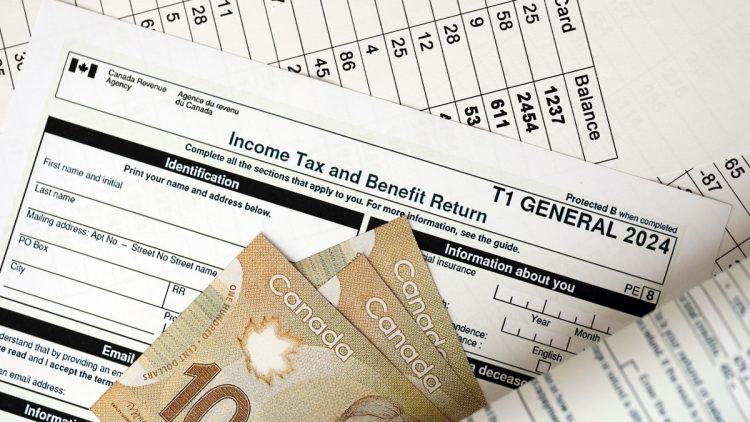
Thankfully, when the IRS rejects your tax return, it’s usually nothing to be overly concerned about. Let’s take a look at a few reasons why your tax return was rejected and what you can do moving forward.

What Is An IRS Rejected Tax Return?

If you receive a notice from the IRS that your federal income tax return was rejected, it means they noticed and error. The IRS is sending the return back to you for correction.

Why Did The IRS Reject My Tax Return?

The IRS will reject a tax return for a variety of reasons, including the following:

The Return Was Already Accepted

The IRS will reject your tax return if they previously accepted a return with your Social Security number (SSN) or taxpayer identification number (TIN). If this occurs, if could be a sign of identity theft or fraud.

Missing Or Incorrect Information

The IRS can also reject your return if a name or number fails to match what they have on file for you. For instance, if you changed your name after marriage or need to update your name with the Social Security office, the IRS needs to know about this. A simple issue like a typo when e-filing your return could end up in a rejection.

Your Signature Does Not Match

When you e-file, the IRS will ask you to provide your adjusted gross income (AGI) from the previous tax year or an Identity Protection PIN to ultimately verify your identity. If the numbers you provide do not match the IRS’ records, your return will likely be rejected.

You Claimed A Dependent Claim On Another Return

If you try to claim a dependent, such as a child, already claimed on another tax return, the return will be rejected. An example of this could be a divorced parent trying to claim their child when their ex-spouse has already claimed the child on their return. The same thing can happen if a dependent files their own return and claims themselves.

How Will I Be Notified If My Return Has Been Rejected?

Depending on how you file, the IRS will usually notify you of a rejected tax return via email or standard mail. In the rejection notice, you will find a rejection code and an explanation of why the rejection occurred.

However, you should always be wary of scammers that try to steal your information posing as the IRS. The IRS will typically not call you about a rejection unless they have repeatedly tried contacting you by other means first.

What To Do If A Tax Return Is Rejected

If your return has been rejected, you will need to correct any errors and resubmit the return as soon as you can. You may be able to e-file the return for small mistakes like a typo, or the IRS could instruct you to mail in a paper return for more serious errors.

How To Fix A Rejected IRS Tax Return

Once you know exactly what caused the return to be rejected, you are required to correct the mistake and resubmit the original return.

How Long Do I Have To File A Corrected Return?

You will need to correct any mistakes prior to the year’s tax deadline. If the IRS rejects your return on or after Tax Day, you will have five days to correct and resubmit the return.

Some states will have different grace periods for rejected returns, so always check to see how much time you have to resubmit your return.

What To Do If A Return Was Rejected Due To Identity Theft

It’s recommended to act as soon as possible if you believe you are a victim of identity theft. Respond promptly to any IRS correspondence by calling them with the number provided. You should also print and mail in Form 14039 with your submitted return.

Tax Settlement in Mesa, Arizona

If you need IRS Debt Help, Tax Debt Settlements or Tax Debt Advising in Phoenix, Mesa or anywhere else, Tax Debt Advisors can help! Give us a call at 480-926-9300 or fill out our contact form for a free consultation.

Common Tax Problems in Mesa AZ
Written by Craig B

Preparing For Tax Season

Preparing for tax season can be a smooth process if you organize your financial records and understand the necessary steps. Here’s a guide to help you get ready:


1. Organize Your Financial Documents

Start by gathering all the paperwork you’ll need to file your taxes:

  • Income Records:
    • W-2s (for employees).
    • 1099 forms (for freelancers, contractors, or investment income).
    • Bank or brokerage statements for interest, dividends, and capital gains.
  • Expense Records:
    • Receipts for deductible expenses (e.g., medical bills, education, or charitable donations).
    • Business expenses if you’re self-employed.
  • Other Forms:
    • 1098 forms for mortgage interest or student loan interest.
    • Statements for contributions to retirement accounts (e.g., IRA).
  • Last Year’s Tax Return:
    • Helps ensure you don’t miss any deductions or credits.

2. Know Key Dates

Mark these critical tax deadlines:

  • Filing Deadline: Typically April 15 (or the next business day if it falls on a weekend/holiday).
  • Quarterly Estimated Payments (if applicable): January 15, April 15, June 15, and September 15.
  • Extensions: File Form 4868 by the tax filing deadline to get an extension until October.

3. Understand Recent Tax Law Changes

Stay informed about any changes in tax laws that may affect:

  • Standard deduction amounts.
  • Child tax credit or dependent care credits.
  • Limits on deductions or contributions to retirement accounts.
  • New benefits for small businesses or pandemic-related tax provisions.

4. Choose the Right Filing Method

  • DIY Filing: Use trusted tax software like TurboTax, H&R Block, or Cash App Taxes if your tax situation is straightforward.
  • Hire a Professional: Consult a certified public accountant (CPA) or enrolled agent for complex returns (e.g., owning a business, significant investments, or international income).

5. Check for Deductions and Credits

Identify deductions and credits you may qualify for:

  • Common Deductions:
    • Mortgage interest, state/local taxes, student loan interest.
    • Business expenses if self-employed.
  • Popular Credits:
    • Earned Income Tax Credit (EITC), Child Tax Credit, or Education Credits.

6. Review Your Withholding and Payments

  • If you’ve overpaid taxes through paycheck withholdings, you might get a refund.
  • If you underpaid, you may need to make an additional payment or adjust your withholding for the next year using Form W-4.

7. Contribute to Tax-Advantaged Accounts

Maximize contributions to accounts with tax benefits by the deadline:

  • Traditional IRA/401(k): Contributions may lower taxable income.
  • Health Savings Account (HSA): Tax-deductible contributions and tax-free withdrawals for medical expenses.

8. Plan for Refunds or Payments

  • Refunds:
    • Decide how to receive your refund (e.g., direct deposit or check).
  • Owed Taxes:
    • Prepare to pay any owed taxes by the filing deadline to avoid penalties.

9. Protect Yourself from Fraud

  • Beware of tax scams and phishing attempts.
  • Use the IRS website for official information and secure filing.
  • Shred sensitive documents you no longer need.

10. File Early

  • Avoid last-minute stress by filing as soon as you have all required documents.
  • Early filing reduces the risk of identity theft (where someone uses your SSN to file a fraudulent return).

Checklist for Tax Season Preparation

  • Gather all tax documents (W-2s, 1099s, receipts, etc.).
  • Review last year’s tax return for reference.
  • Update personal and contact information with your employer or bank.
  • Choose your filing method (self or professional).
  • Identify eligible deductions and credits.
  • Review recent tax law changes.
  • File before the deadline to avoid penalties.


Why Was My Tax Return Rejected
Written by webtechs

If My Tax Return Was Rejected Can I Start Over?

Depending on how you file, the IRS will usually notify you of a rejected tax return via email or standard mail. In the rejection notice, you will find a rejection code and an explanation of why the rejection occurred.

However, you should always be wary of scammers that try to steal your information posing as the IRS. The IRS will typically not call you about a rejection unless they have repeatedly tried contacting you by other means first.

Thankfully, when the IRS rejects your tax return, it’s usually nothing to be overly concerned about. Let’s take a look at a few reasons why your tax return was rejected and how you can start the process over.

Why Was My Tax Return Rejected?

The IRS will reject a tax return for a variety of reasons, including the following:

The Return Was Already Accepted

The IRS will reject your tax return if they previously accepted a return with your Social Security number (SSN) or taxpayer identification number (TIN). If this occurs, if could be a sign of identity theft or fraud.

Missing Or Incorrect Information

The IRS can also reject your return if a name or number fails to match what they have on file for you. For instance, if you changed your name after marriage or need to update your name with the Social Security office, the IRS needs to know about this. A simple issue like a typo when e-filing your return could end up in a rejection.

Your Signature Does Not Match

When you e-file, the IRS will ask you to provide your adjusted gross income (AGI) from the previous tax year or an Identity Protection PIN to ultimately verify your identity. If the numbers you provide do not match the IRS’ records, your return will likely be rejected.

You Claimed A Dependent Claim On Another Return

If you try to claim a dependent, such as a child, already claimed on another tax return, the return will be rejected. An example of this could be a divorced parent trying to claim their child when their ex-spouse has already claimed the child on their return. The same thing can happen if a dependent files their own return and claims themselves.

What To Do If A Tax Return Is Rejected

If your return has been rejected, you will need to correct any errors and resubmit the return as soon as you can. You may be able to e-file the return for small mistakes like a typo, or the IRS could instruct you to mail in a paper return for more serious errors.

Once you know exactly what caused the return to be rejected, you are required to correct the mistake and resubmit the original return.

Correcting An E-File Rejection

Whenever an e-filed return is rejected, the IRS generally sends a rejection code that includes an explanation of why it was ultimately rejected. This will usually happen within a few hours of submitting the return.

You may be able to resubmit through e-file or filing a paper return depending on the reason why the return was not accepted. If, for example, you made a mistake in entering the EIN or SSN or other errors, you can make corrections and e-file the return once again. Ensure that you submit before the filing deadline or within five days of getting the rejection notice if this occurs after the deadline passed.

Refiling By Paper Return

When the return is rejected because of possible identity theft or tax fraud, the IRS requires individuals to resubmit the return by mail. You also need to refile by mail if your dependent was claimed on another individual’s tax return.

You will need to include all required tax forms, W-2s and/or 1099s, as well as any additional supporting documentation. The IRS Form 14039, Identity Theft Affidavit should also be included.

Once the IRS has received your return and Form 14039, you will get an acknowledgement letter. The IRS will then investigate the returns in questioned and make a decision on which one is valid. Sometimes, this entire process can take up to six months to complete.

How Long Do I Have To File A Corrected Return?

You will need to correct any mistakes prior to the year’s tax deadline. If the IRS rejects your return on or after Tax Day, you will have five days to correct and resubmit the return.

Some states will have different grace periods for rejected returns, so always check to see how much time you have to resubmit your return.

Tax Settlement in Mesa, Arizona

If you need IRS Debt Help, Tax Debt Settlements or Tax Debt Advising in Phoenix, Mesa or anywhere else, Tax Debt Advisors can help! Give us a call at 480-926-9300 or fill out our contact form for a free consultation.

Common Tax Problems in Mesa AZ
Written by Craig B

Can The IRS Take Roth IRA

The IRS generally cannot directly take or seize your Roth IRA, but there are situations where your Roth IRA could be affected if you owe taxes to the IRS. Here’s how it works:

1. IRS Tax Levy:

  • Levies on Financial Assets: The IRS has the power to levy (seize) financial assets, including bank accounts, brokerage accounts, and retirement accounts, to satisfy unpaid tax debts. This includes Roth IRAs.
  • Process: Before levying your assets, the IRS will typically send several notices demanding payment and providing you with opportunities to resolve the debt. If you do not take action, the IRS may issue a levy and seize funds from your Roth IRA.
  • Exemptions: Certain assets may be exempt from IRS levies, but retirement accounts like Roth IRAs are not automatically exempt.

2. Impact of Early Withdrawal:

  • Taxes and Penalties: If the IRS levies your Roth IRA, the amount withdrawn to satisfy the tax debt may be subject to income taxes and, if you are under age 59½, a 10% early withdrawal penalty on the earnings portion of the withdrawal.
  • Order of Withdrawal: Roth IRA withdrawals are generally considered to come first from contributions (which can be withdrawn tax- and penalty-free), then from earnings. The IRS would apply the levy to your account, which could trigger taxes and penalties depending on the amount and source of the funds withdrawn.

3. Avoiding IRS Levies:

  • Payment Plans: If you owe taxes and are concerned about a levy, you can contact the IRS to arrange a payment plan or offer in compromise, which may allow you to pay your tax debt over time or settle for less than the full amount owed.
  • Communication: Promptly addressing IRS notices and seeking professional advice can help you avoid more severe collection actions, such as a levy on your Roth IRA.

4. Bankruptcy Protection:

  • Protection in Bankruptcy: Under certain circumstances, Roth IRAs may be protected from creditors, including the IRS, during bankruptcy proceedings, subject to specific limits and rules under federal bankruptcy law.

5. State Laws:

  • State Protections: Some states offer additional protections for retirement accounts against creditors, including the IRS. These protections vary by state and may limit the IRS’s ability to levy your Roth IRA.

In summary, while the IRS can levy your Roth IRA if you owe back taxes, this typically occurs after multiple notices and opportunities to resolve the debt have been provided. To avoid this, it’s important to address any tax issues promptly and seek professional advice if you are unable to pay your tax debt.

4o

If you need IRS Debt Help, Tax Debt Settlements or Tax Debt Advising in Phoenix, Mesa or anywhere else, Tax Debt Advisors can help! Give us a call at 480-926-9300 or fill out our contact form for a free consultation. This family owned tax practice has been serving the public since all the way back in 1977!

More Articles About Taxes


1 2